

Exploring the psychology behind casino gambling
The Thrill of Chance
The thrill of chance is a significant driving force behind casino gambling. Human beings are naturally drawn to uncertainty, and nowhere is this more evident than in a casino environment. Whether it’s the spinning of a roulette wheel or the flip of a card, the excitement of not knowing the outcome triggers the brain’s reward system. This anticipation releases dopamine, the neurotransmitter responsible for pleasure, creating a compelling reason for many to return to the tables or machines, especially when they explore online pokies nz that offer unique experiences. The allure of hitting it big can be intoxicating, often overshadowing the inherent risks involved.
This psychological phenomenon can also be linked to the concept of risk-taking behavior. Some individuals are more inclined to seek out risky situations, finding exhilaration in the unpredictable results of gambling. This behavior can stem from a variety of factors, including personality traits and life experiences. The feeling of euphoria when winnings occur works like a drug, motivating players to seek that high over and over again, often leading them to chase losses in a desperate attempt to recapture that initial thrill.
Moreover, the environment of a casino is designed to enhance these feelings of thrill and excitement. Bright lights, engaging sounds, and the social atmosphere all contribute to a sensory overload that stimulates the senses and heightens emotions. This combination creates an immersive experience that not only attracts gamblers but can also lead to compulsive behavior, as players often find themselves drawn into the excitement, losing track of both time and money in the process. The casino’s design aims to maximize engagement, making it difficult for individuals to recognize when they should stop playing.
The Role of Cognitive Biases
Cognitive biases play a considerable role in how individuals perceive and engage with gambling. One prevalent bias is the illusion of control, where gamblers believe they have influence over the outcome of games that are, in reality, purely chance-based. This belief often leads players to make irrational bets or engage in superstitious behaviors, such as wearing lucky clothing or following specific rituals before placing a wager. These actions stem from a desire to feel empowered in situations where they are powerless, thus creating a false sense of confidence that can lead to poor decision-making.
Another cognitive bias commonly found in the world of gambling is the gambler’s fallacy, which suggests that past events will influence future outcomes in independent probability scenarios. For instance, if a certain number has not appeared in a roulette game for several spins, players may mistakenly believe that it is “due” to hit, prompting them to increase their bets. This flawed reasoning can lead to significant financial losses, as players may disregard the true odds in favor of their misguided beliefs. The cognitive distortion can trap gamblers in a cycle of hope and disappointment.
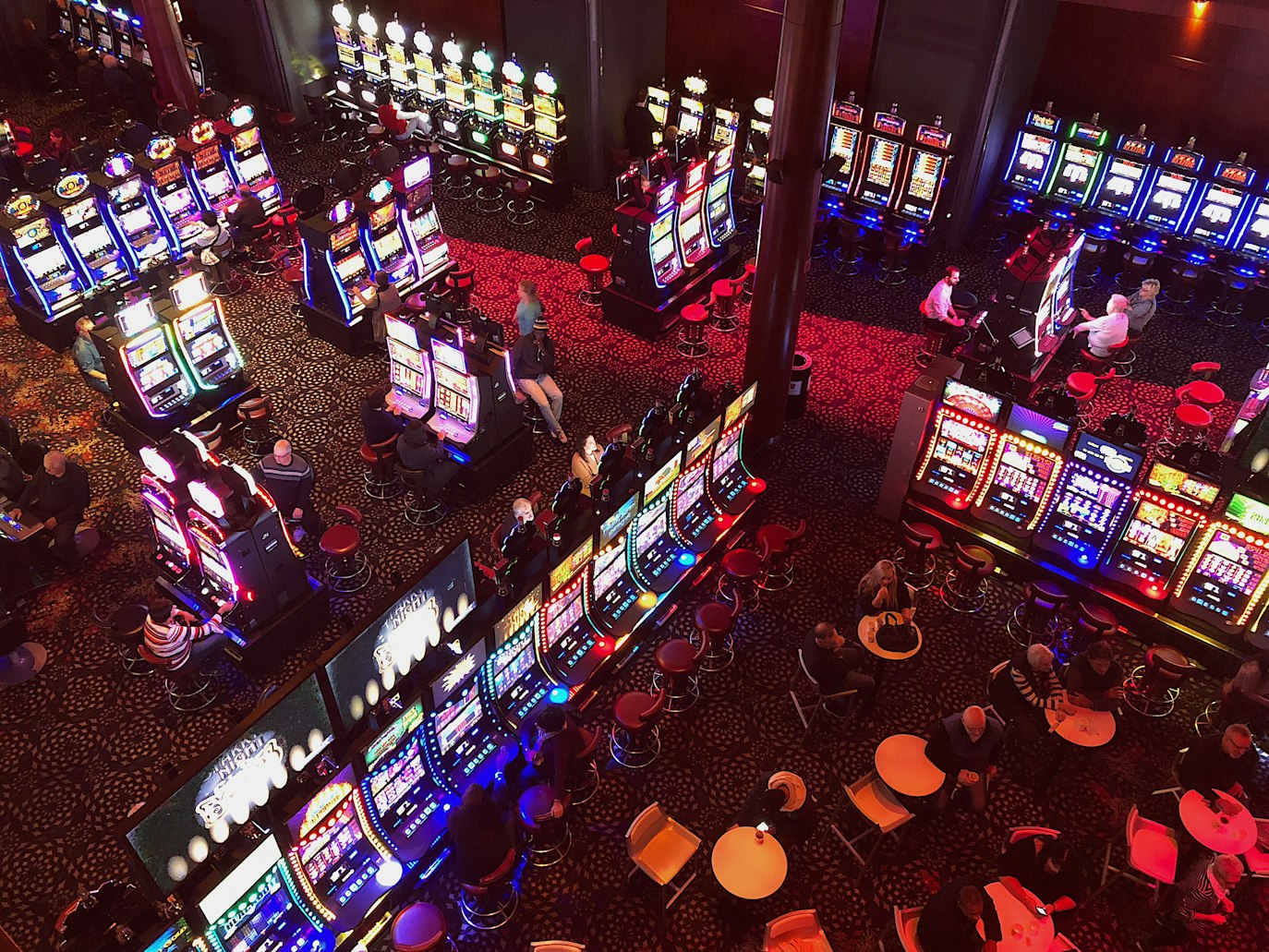
These cognitive biases are often exacerbated by the design of gambling games, which can manipulate perceptions of winning. For example, slot machines are programmed to provide frequent small wins, reinforcing the player’s belief that they are close to hitting a jackpot. This illusion keeps players engaged, leading them to continue playing longer despite their deepening losses. Understanding these biases is crucial for recognizing the psychological traps that can ensnare gamblers, as awareness can help mitigate their impact on gambling behavior.
The Social Aspect of Gambling
The social dynamics of gambling also contribute significantly to its psychological appeal. Casinos often serve as social hubs, where individuals gather for entertainment, companionship, and shared experiences. This communal aspect of gambling can enhance the enjoyment of games, as players celebrate wins with friends or commiserate over losses. The camaraderie found in casinos creates a sense of belonging, encouraging individuals to gamble more frequently. Social connections can make the experience more enjoyable, but they can also lead to irresponsible gambling behaviors.
Moreover, the presence of others can amplify emotions during gambling sessions. Social interactions can lead to increased adrenaline and excitement, propelling individuals to make bolder bets. This effect is particularly pronounced in games like poker, where players can bluff and read one another’s body language, turning gambling into a psychological battle. Such interactions can foster a sense of competition, which can be exhilarating but also detracts from the logical decision-making processes that responsible gamblers should employ. The thrill of competing against others can overshadow the potential risks involved.
The risk of gambling addiction heightens in these social settings, as peer pressure may encourage individuals to participate more than they would on their own. Additionally, the ability to observe others winning can create a sense of urgency and fear of missing out (FOMO), leading to impulsive decisions. Social environments can reinforce gambling behaviors, making it critical for individuals to maintain awareness of their gambling habits. Understanding these social dynamics can be pivotal for gamblers to establish healthy boundaries and avoid the potential pitfalls of excessive gambling.
Addictive Behaviors and Mental Health
Addictive behaviors associated with gambling can have severe implications for mental health. For many individuals, the initial thrill of winning can devolve into a compulsive need to gamble, disregarding the negative consequences. This transformation can lead to a cycle of loss and despair, where gamblers chase their initial high only to find themselves in a deeper financial and emotional hole. The psychological impact of gambling addiction can be profound, making it crucial for those affected to recognize the signs and seek help before it’s too late.

Mental health issues often co-occur with gambling addiction, creating a complex interplay between the two. Individuals may gamble to escape feelings of anxiety, depression, or stress, using it as a coping mechanism rather than addressing underlying issues. Over time, this can exacerbate mental health problems, creating a vicious cycle that can be challenging to break. Support systems, including therapy and peer support groups, can be invaluable for those seeking to recover from gambling addiction and regain control over their lives. A holistic approach to mental health can significantly aid in the recovery process.
Additionally, the stigma surrounding gambling addiction can prevent individuals from seeking help. Unlike substance abuse, which may be more widely recognized, gambling addiction often remains misunderstood, leading to shame and isolation for those affected. Raising awareness about the psychological and emotional toll of gambling addiction is essential in promoting healthier attitudes toward gambling and encouraging individuals to seek the help they need. Open conversations and education about gambling addiction can help reduce stigma and facilitate access to necessary resources.
Understanding Responsible Gambling
Understanding the principles of responsible gambling is essential for mitigating the psychological risks associated with casino gambling. Education and awareness campaigns can empower individuals to recognize their gambling patterns and enable them to set limits. Employing strategies such as budgeting, time management, and self-exclusion can create a safer gambling environment and foster healthier behaviors. Responsible gambling practices encourage players to enjoy gambling as a form of entertainment rather than a means to solve financial problems.
Many casinos and gambling operators have begun integrating responsible gambling measures into their business models. By providing tools for self-assessment and setting deposit limits, they aim to promote a safe gambling experience. These initiatives can help players maintain control and make informed decisions about their gambling habits, reducing the likelihood of developing addictive behaviors. Promoting a culture of responsibility within the gambling community can lead to more sustainable participation in gambling activities.
Furthermore, websites dedicated to responsible gambling provide valuable resources for individuals seeking help or guidance. These platforms often feature educational content on understanding gambling addiction, identifying signs, and accessing support services. Creating a sense of community around responsible gambling can also foster a culture of awareness, encouraging individuals to prioritize their well-being while enjoying the entertainment that casinos offer. By fostering open discussions and providing comprehensive resources, these platforms can play a vital role in promoting healthier gambling behaviors.
Recent Comments